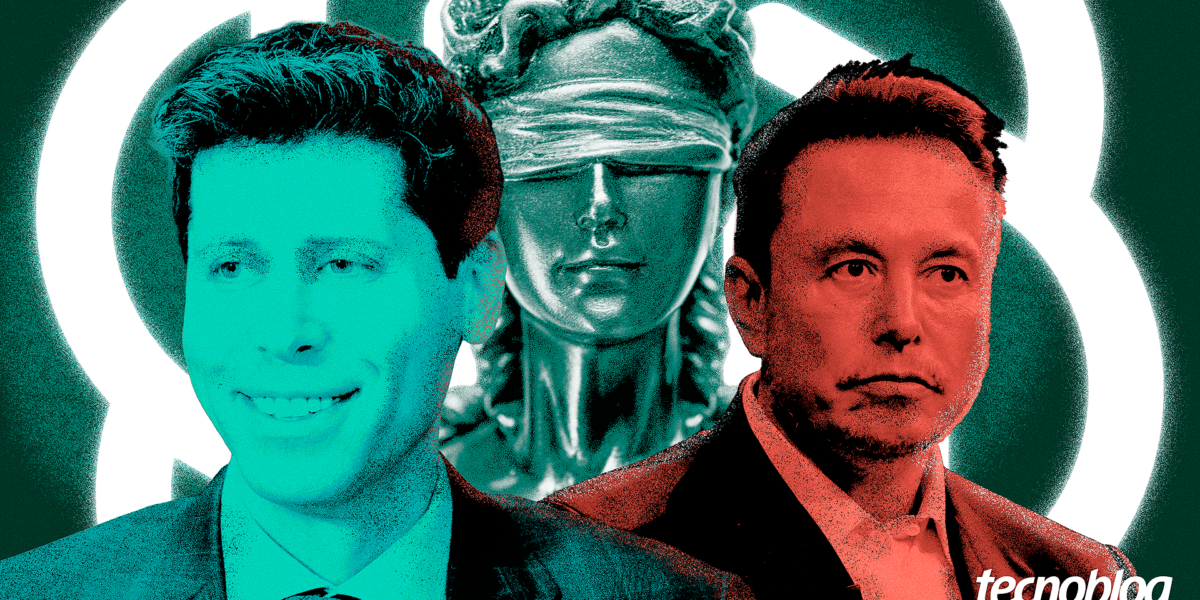
The recent legal battle between Elon Musk and OpenAI, which concluded with a dismissal due to expired legal timelines, raises critical issues concerning accountability within artificial intelligence (AI) companies. Musk, a co-founder of OpenAI, accused the organization of straying from its original ethical mission after he departed. This case isn’t merely a personal dispute; it reflects broader tensions in the AI sector, particularly between Musk’s xAI and OpenAI, which is now more focused on commercial models.
What Is Happening
According to a report by Tecnoblog, Musk’s lawsuit was dismissed due to the expiration of legal timelines. Central to his claim was the argument that OpenAI had deviated from its ethical principles, jeopardizing responsible AI development. This legal dispute is not an isolated event; it serves as a crucial moment in a fast-evolving industry where companies face pressures to monetize innovations, often at the expense of fundamental ethical principles.
Why This Matters for Business
This situation serves as a wake-up call for companies investing in AI technology. Musk’s struggle with OpenAI illustrates the consequences of deviating from core values in pursuit of commercial expansion. Here are some direct impacts:
- Consumer Distrust: As companies prioritize growth, they risk losing consumer trust, which is increasingly rooted in ethics and responsibility.
- Legal Risks: The challenge of holding AI companies accountable for their strategic decisions may lead to increased litigation.
- Corporate Governance: The need for robust governance frameworks becomes essential to ensure that companies remain true to their original mission.
- Strategic Partnerships: Companies must carefully evaluate their AI partnerships to ensure alignment with their values.
Practical Applications
Technology Sector
Technology firms should evaluate their AI partnerships to ensure alignment with ethical standards. This may involve using AI tools for process automation and implementing monitoring systems to ensure compliance with ethical norms.
Financial Sector
In finance, AI is applied in predictive analytics and process automation. Financial institutions must establish governance frameworks to ensure automated decisions do not compromise the company’s ethical values.
My Take
I believe that Musk’s legal battle against OpenAI underscores a crucial point: AI companies cannot afford to sideline accountability in the pursuit of rapid growth. Many organizations are mistaken in thinking that the commercialization of AI can be achieved without robust ethical frameworks. Over the next six to twelve months, I foresee an increase in calls for regulation within the sector as stakeholders demand greater transparency and accountability from tech companies. This case could very well be a precursor to a broader movement for responsible AI practices, forcing companies to reassess their strategies and ethical commitments.
What to Watch
Companies should closely monitor trends in AI regulation and demands for increased transparency. Additionally, keeping an eye on the evolving relationships between tech companies and their founders can provide valuable insights into the industry’s future direction.
Source: Elon Musk vê processo contra a OpenAI ruir na Justiça — Tecnoblog
As companies reflect on the lessons from this case, they should consider how to ensure they stay true to their values while navigating the complexities of growth in the AI sector. How is your organization ensuring ethical alignment in its AI strategies?
Leia este artigo em Português: Versão em Português