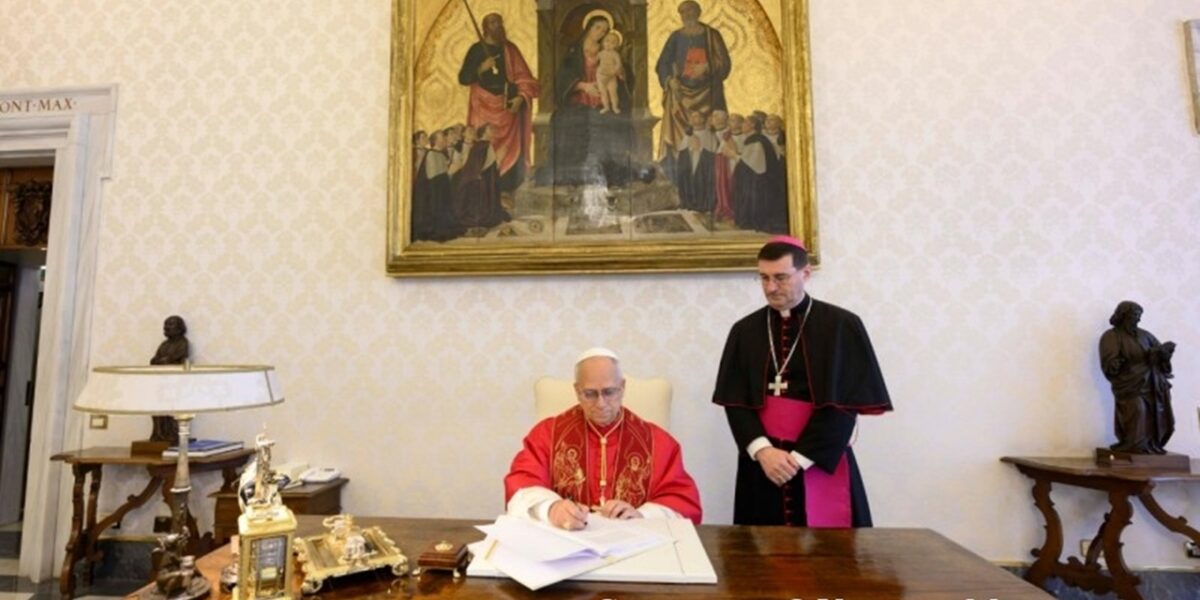
In an increasingly technology-driven world, the responsible use of Artificial Intelligence (AI) has become a critical topic for businesses. Recently, Pope Leo XIV issued an encyclical that addresses both the benefits and risks of AI, highlighting the need for ethical commitment. This document is not merely a religious declaration but a call to action for companies that wish to align with ethical standards in a rapidly evolving business landscape.
What Is Happening
According to a report by Tecnoblog, Pope Leo XIV emphasized both the promises and dangers of AI in his encyclical. He expressed concerns about unemployment, inequality, and the concentration of power that could result from uncontrolled use of this technology. The presence of Christopher Olah, a respected figure in the AI field, at the document’s launch underscores the importance of bridging technology with ethics.
Why This Matters for Business
The Pope’s warning about AI should not be overlooked by companies, especially in sectors like technology, finance, and healthcare. The implications are profound and could affect the reputation and operations of organizations. Here are some key considerations:
- Reputation: Companies that fail to adopt ethical AI practices may face irreparable damage to their image.
- Regulation: The increasing pressure for ethical policies may lead to new regulations affecting how businesses operate.
- Innovation: Organizations that prioritize ethics in AI can position themselves as market leaders, attracting customers and talent.
- Inclusion: Implementing ethical AI can promote a fairer and more inclusive workplace.
Practical Applications
Companies can begin to implement ethical AI practices through various initiatives. Here are some suggestions:
Technology Sector
Developers can integrate ethical guidelines into their creation processes, using tools like EthicalOS, which helps map the ethical implications of new products.
Finance Sector
Financial institutions can apply AI responsibly, ensuring that algorithms do not perpetuate discrimination. Platforms like Fairness Flow can be useful for assessing model fairness.
Healthcare Sector
Hospitals and clinics can utilize AI to improve diagnostics, but must ensure patient data privacy, using tools like Homomorphic Encryption.
My Take
I firmly believe that the Pope’s encyclical marks a turning point in how businesses must approach AI. Many still underestimate the need for robust ethics, thinking that innovation can occur without limits. However, the reality is that a lack of accountability can lead to disastrous consequences, including legal action and loss of consumer trust. Over the next 6 to 12 months, we can anticipate an increase in regulation, and thus companies that proactively implement ethical policies will stand out as leaders in social responsibility.
What to Watch
Companies should monitor the development of AI-related regulations and be attentive to how public perceptions of technology usage are changing. The pressure for responsible business practices is growing, and those who do not adapt may fall behind.
Source: Papa Leão XIV alerta sobre a IA em importante documento da Igreja Católica — Tecnoblog
Businesses need to actively engage in the discussion about AI ethics. How is your organization preparing for this shift?
Leia este artigo em Português: Versão em Português